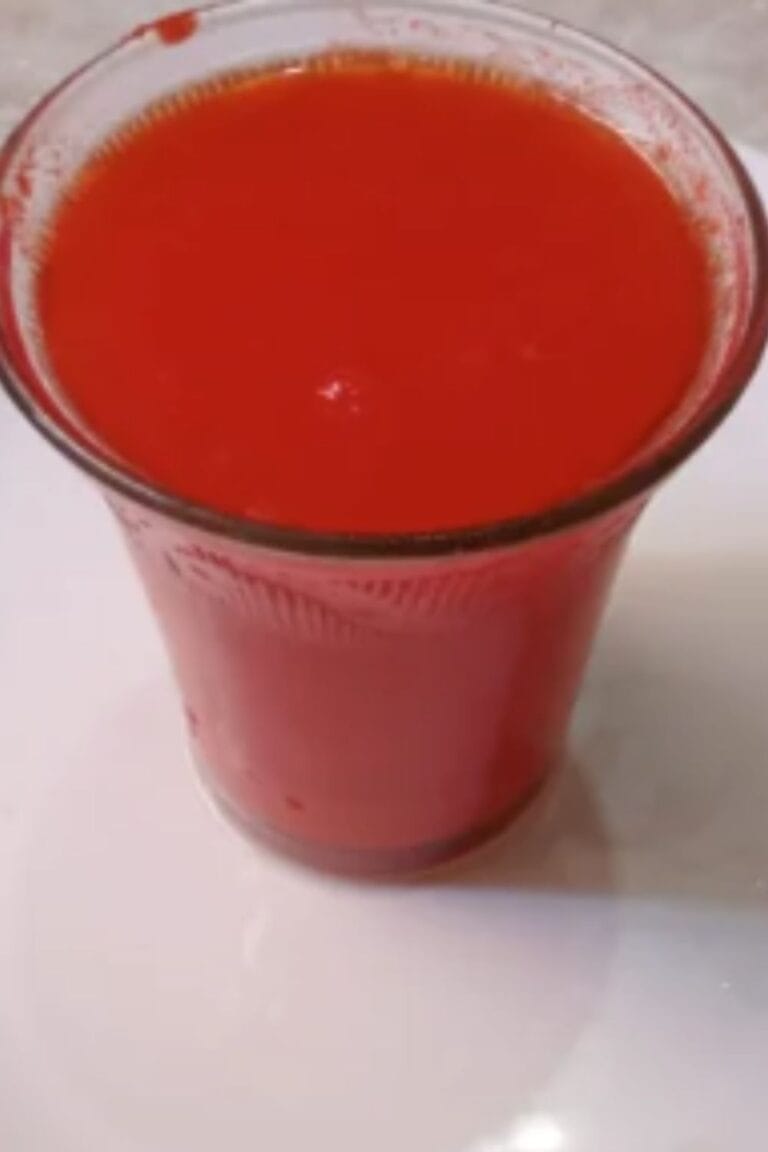
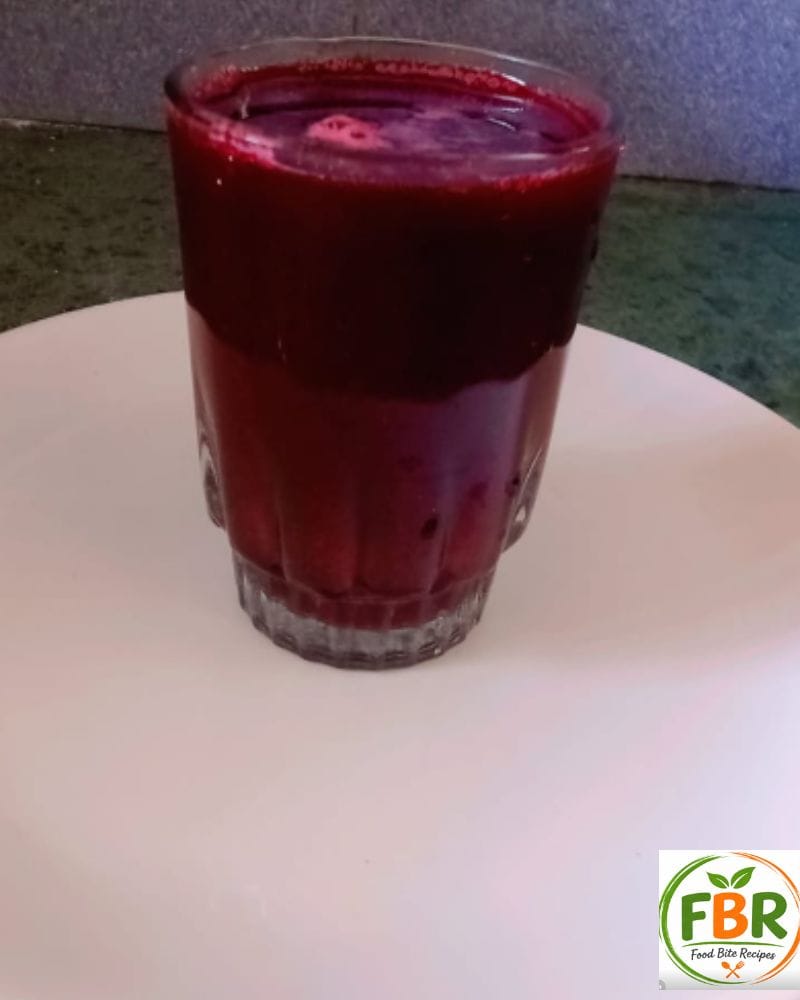
Healthy amla, beetroot, and carrot juice made fresh at home
To be honest, when I first took a sip of this Amla, Beetroot, and Carrot juice, my reaction was—”What is this?” It tasted quite strong and a bit earthy. But believe me, after two or three sips—once the flavors had a chance to blend together—it felt incredibly refreshing. With absolutely no added sugar or artificial ingredients, this three-ingredient drink has now become my absolute favorite. If you, too, are looking for something light and healthy, you simply must give this a try!
What Is Amla Beetroot Carrot Juice?
Amla Beetroot Carrot Juice is a fresh homemade drink made by blending amla (Indian gooseberry), beetroot, and carrots. It can be consumed as is or slightly diluted with water for a lighter consistency.
Since this juice is made using purely natural ingredients, it contains no artificial colors, flavors, or refined sugar.
Compared to packaged juices, the greatest advantage of homemade amla, beetroot, and carrot juice is that you have control over both the ingredients and the freshness. When consumed in moderate quantities, it is suitable for people of almost every age group.
Why People Like Amla Beetroot Carrot Juice
1. Why People Drink This Juice During Seasonal Changes
Because this juice contains natural Vitamin C from amla, many people include it in their routine during seasonal changes.
Since it is made fresh and contains natural fiber, it feels light and is often preferred in the morning.
2. How This Juice Feels on the Stomach
Carrots contain dietary fiber, while beetroot supports gut-friendly bacteria. When consumed fresh, this juice can aid digestion and help maintain regular bowel movements.
3. Why Some People Include It for Skin Care
The antioxidants found in Amla and beetroot—combined with the beta-carotene in carrots—work together to support skin health. For this reason, many people make it a part of their natural beauty routine, as it nourishes the body from within.
4. Does This Juice Help with Energy?
This juice feels naturally refreshing, and many people prefer it when they want something light without relying on tea or coffee.
5. Why People Choose This Over Packaged Drinks
Opting for homemade Amla, beetroot, and carrot juice instead of sugary beverages can help reduce unnecessary sugar intake while still allowing you to enjoy a flavorful drink.
From my experience, this juice feels light and refreshing, though everyone may experience it differently.
Ingredients for Amla Beetroot Carrot Juice
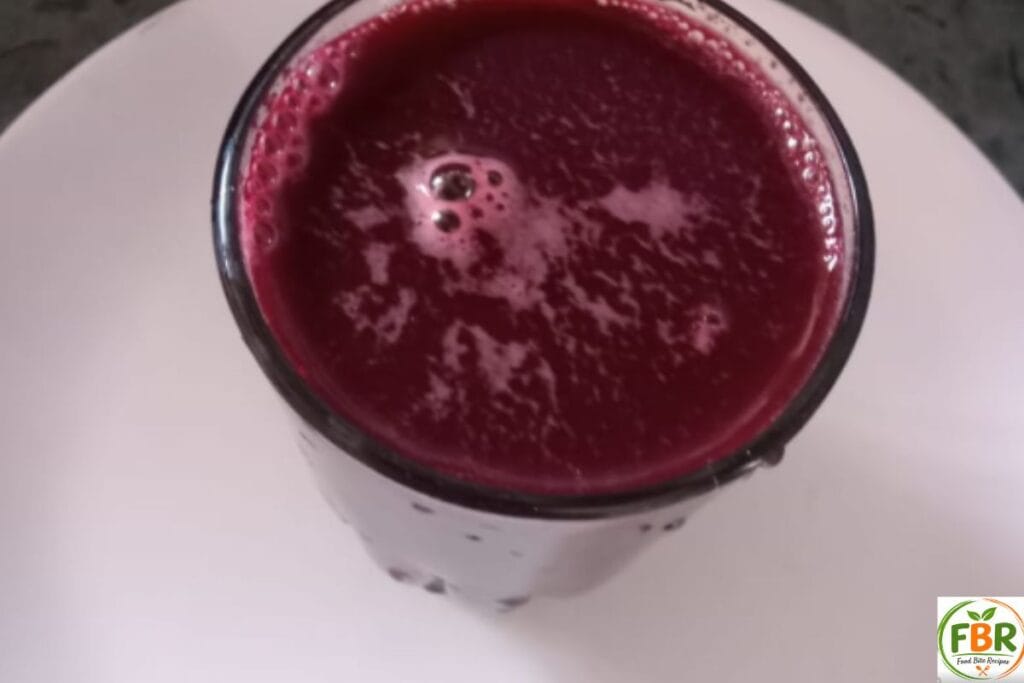
Main Ingredients
- Amla (Indian gooseberry) – 2 to 3 pieces
- Beetroot – 1 medium, peeled and chopped
- Carrot – 1 large, peeled and chopped
- Water – ½ to 1 cup (as needed)
Optional Add‑Ins
- Fresh ginger (small piece)
- Lemon juice (a few drops)
- Mint leaves
- Black pepper (a pinch)
These optional additions enhance flavor without affecting the natural benefits of the juice.
Who Should Try This Juice?
This juice can be a good option for:
- People looking for a natural morning drink
- Those trying to reduce packaged juices
- Anyone who prefers simple, homemade beverages
- People who want a light and refreshing option without caffeine
Ingredient Notes and Tips
Choosing Fresh Produce
Use firm, fresh amla, deep-colored beetroot, and sweet carrots for the best taste and nutrition. Avoid soft or overly old vegetables.
Raw vs Boiled Beetroot
Raw beetroot retains maximum nutrients. If digestion is sensitive, lightly steaming beetroot can make it easier on the stomach.
Water Quantity
Adjust the water based on the desired thickness. Some prefer concentrated juice, while others like it diluted.
How to Make Amla Beetroot Carrot Juice at Home
Step 1: Prepare the Ingredients
Wash all ingredients thoroughly. Remove amla seeds, peel beetroot and carrot, and cut everything into small pieces.
Step 2: Blend
Add chopped amla, beetroot, carrot, and water to a blender. Blend until smooth.
Step 3: Strain (Optional)
For a smoother juice, strain using a fine sieve or muslin cloth. If you prefer fibre, skip straining.
Step 4: Adjust Taste
Add a few drops of lemon juice or a small piece of ginger if desired. Mix well.
Step 5: Serve Fresh
Pour into a glass and drink immediately for the best flavor and nutrition.
My Experience
The first time I made this juice, the taste was a bit strong because I added too much beetroot, so balancing the ingredients really makes a difference.
Best Time to Drink Amla Beetroot Carrot Juice
- Morning (empty stomach): Popular choice for freshness and routine
- Mid‑morning: Light and refreshing
- Afternoon: Healthy alternative to sugary drinks
Avoid drinking late at night if you have a sensitive stomach.
Nutrition Information (Approximate)
- Calories: 90–120 kcal
- Carbohydrates: 18–22 g
- Fibre: 4–6 g
- Vitamin C: High
- Fat: <1 g
This juice contains around 90–120 calories per glass, depending on ingredient quantity.
Variations of Amla Beetroot Carrot Juice
Detox-Style Version
Add mint leaves and lemon juice.
Mild Version
Reduce the amla quantity and increase the carrot.
Ginger Boost Version
Add fresh ginger for warmth and flavour.
Common Mistakes to Avoid
- Adding sugar reduces the natural taste
- Too much beetroot can overpower the flavor
- Not using fresh ingredients affects taste and nutrition
Frequently Asked Questions (FAQs)
1 Can I drink Amla, Beetroot, and Carrot juice every day?
Yes, but balance is essential. Personally, I prefer having it 3–4 times a week rather than daily. If you do wish to drink it daily, keep the quantity small and observe how your body responds.
2 Does this juice have a very strong taste?
The taste is slightly tangy and earthy, primarily due to the Amla and beetroot. The carrot adds natural sweetness, helping to balance the flavor. Adding lemon or ginger further enhances the taste.
3 What is the best time to drink this juice?
In my experience, the morning—on an empty stomach—seems to be the best time. If mornings aren’t feasible, mid-morning is also a good option.
4 Can I store this juice?
Fresh juice is always best. I usually consume it immediately after making it. If necessary, it can be stored in an airtight glass bottle in the refrigerator for up to 24 hours, though the fresh taste is far superior.
Conclusion
For me, Amla, Beetroot, and Carrot juice isn’t about quick results or grand promises. It is simply a simple and sustainable habit that fits naturally into my daily routine.
When it comes to this juice, I don’t follow any strict routine—I simply make it whenever I feel like having something fresh and homemade.
Disclaimer:
This content is for general informational purposes only and is not intended as medical advice. It should not be considered a substitute for professional medical consultation, diagnosis, or treatment. Always consult a qualified healthcare provider or doctor before making any changes to your diet or health routine, especially if you have any existing medical conditions.
If you enjoy natural drinks, you can also try:
Amla Beetroot Carrot Juice
Ingredients
- 2 –3 amla Indian gooseberry
- 1 medium beetroot peeled & chopped
- 1 large carrot peeled & chopped
- ½ –1 cup water
Instructions
- Wash all ingredients properly.
- Remove seeds from amla and chop everything.
- Add amla, beetroot, carrot, and water to blender.
- Blend until smooth.
- Strain if needed.
- Serve fresh.